
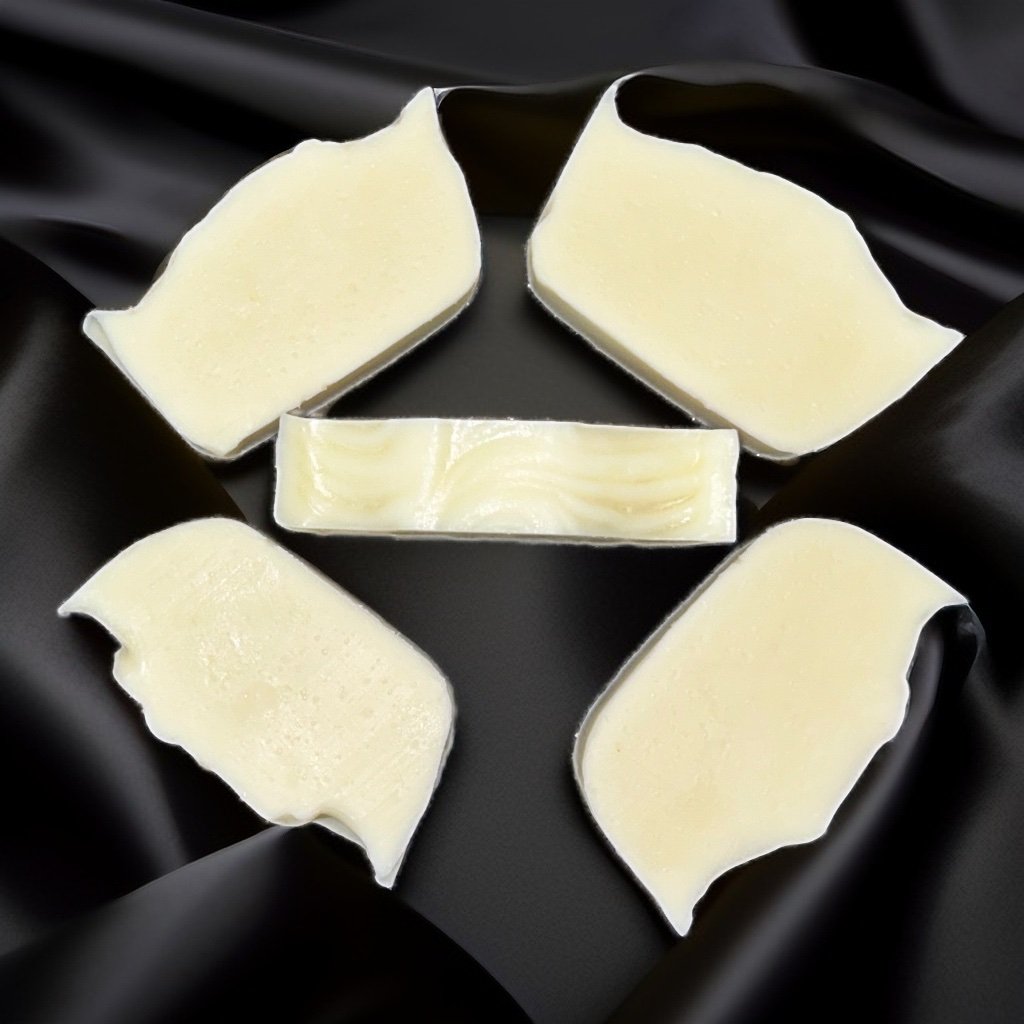
Beginner Soap Making Course
This basic soap-making recipe uses just five simple ingredients to create a nourishing and gentle soap. Ideal for beginners, this formula combines olive oil, coconut oil, and castor oil for a balanced and effective soap, with sodium hydroxide (lye) and distilled water as essential components in the saponification process.

Learning to make your own soap offers several benefits:
Customization:
- Personalize Ingredients: Tailor ingredients to suit your skin type and preferences, including adding favorite scents, colors, and additives.
- Control Over Quality: Use high-quality, natural ingredients and avoid synthetic chemicals or allergens.
Cost-Effective:
- Save Money: Homemade soap can be more economical in the long run compared to buying high-quality commercial soap.
- Bulk Production: Making larger batches reduces the cost per bar and provides a steady supply.
Creativity and Satisfaction:
- Creative Outlet: Experiment with different recipes, designs, and techniques, allowing for creative expression.
- Sense of Accomplishment: Enjoy the satisfaction of creating a useful product from scratch.
Environmental Benefits:
- Reduce Waste: Create soap with minimal packaging and avoid products with excessive plastic.
- Eco-Friendly Ingredients: Choose sustainable and biodegradable ingredients, reducing environmental impact.
Gift-Giving:
- Personalized Gifts: Handmade soap makes thoughtful and unique gifts for friends and family.
- Customizable Presentation: Package and present your soap in personalized ways for special occasions.
Overall, making your own soap offers practical, economic, and creative benefits, enhancing your personal care routine and contributing to a more sustainable lifestyle.
Free Course Below
Beginner Soap Making course
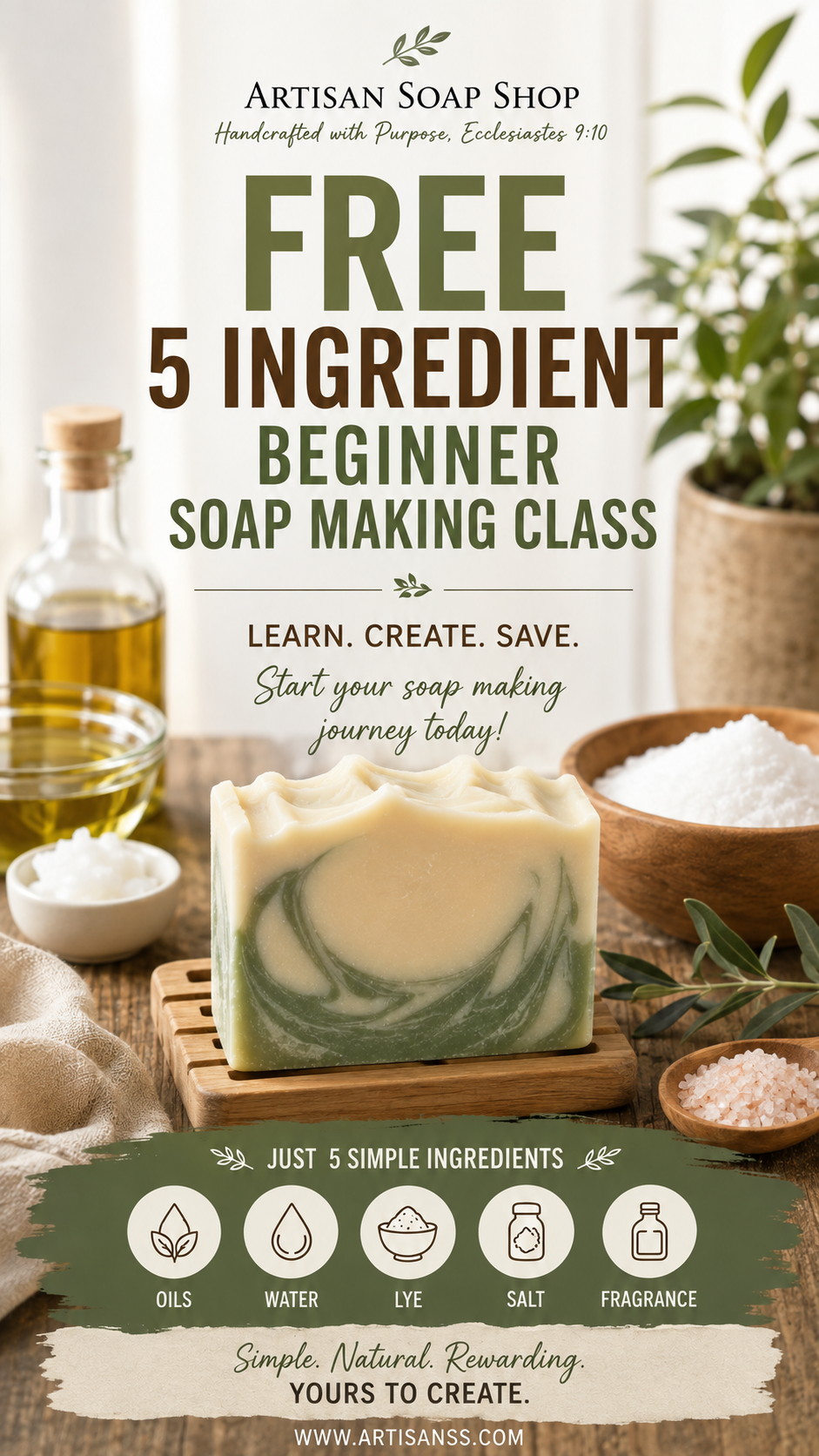
$0
This basic soap-making recipe uses just five simple ingredients to create a nourishing and gentle soap. Ideal for beginners, this formula combines olive oil, coconut oil, and castor oil for a balanced and effective soap, with sodium hydroxide (lye) and distilled water as essential components in the saponification process. Here's a brief description of each ingredient and their role in the soap:
Olive Oil:
Purpose: Olive oil is known for its moisturizing and skin-softening properties. It produces a mild, gentle soap that is perfect for sensitive skin. It also contributes to the soap’s longevity and creates a smooth, creamy lather.
Coconut Oil:
Purpose: Coconut oil adds hardness to the soap, making it longer-lasting. It also creates a rich, bubbly lather and has natural antibacterial properties. This oil helps the soap achieve a good balance of cleansing power and conditioning.
Castor Oil:
Purpose: Castor oil enhances the soap’s lather, making it more luxurious and creamy. It helps to stabilize the bubbles created by coconut oil and contributes to a more conditioning bar that leaves the skin feeling soft and hydrated.
Sodium Hydroxide (Lye):
Purpose: Sodium hydroxide, commonly known as lye, is the key ingredient that initiates the saponification process. It reacts with the oils to create soap and glycerin. Properly measuring and handling lye is essential for safe and successful soap making.
Distilled Water:
Purpose: Distilled water is used to dissolve the lye and facilitate the saponification reaction. It ensures a pure and consistent reaction without impurities that could affect the quality of the soap.
Course curriculum
- Recipe
- Supply List
- Lye Safety
- Preparation/ Lye Solution
- Preparing Oils
- Soap Mold Lining
- The Mix, Pour, and Texture of the soap
- The Cut: Cutting the soap
- Soap cure and storage
- Commonly used terms
-
15 Ingredient Cold Process Soap Making